Geology
The Earth tells its story: landforms, rocks, and minerals
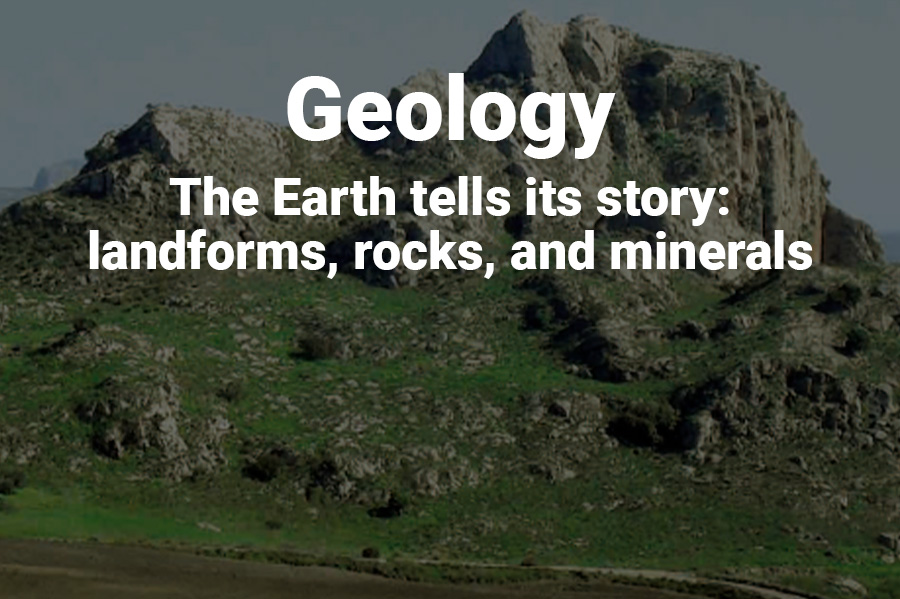
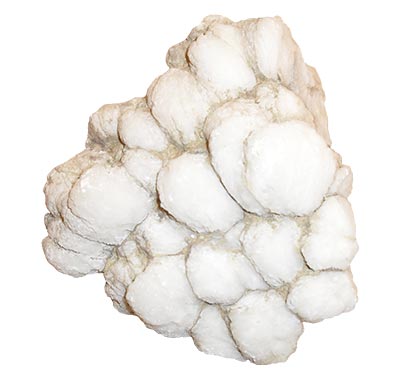
The landscape of Sant’Angelo Muxaro is closely linked to the presence of Messinian chalk outcrops, which are part of the Sicilian Chalk–Sulphur geological formation.
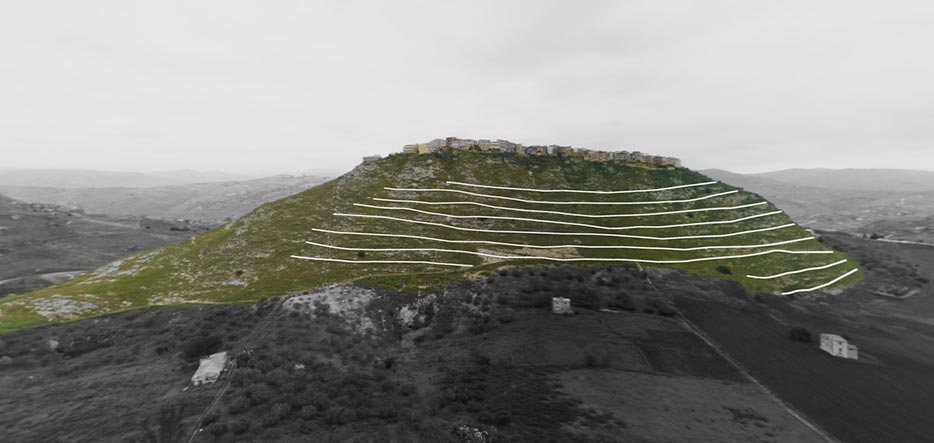
 Overlapping chalky layers forming the relief of Sant’Angelo Muxaro.
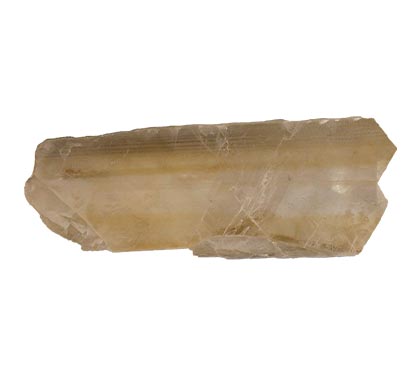
These superimposed layers, made up of semi-transparent gypsum crystals, were formed around six million years ago during the so-called Mediterranean salinity crisis.
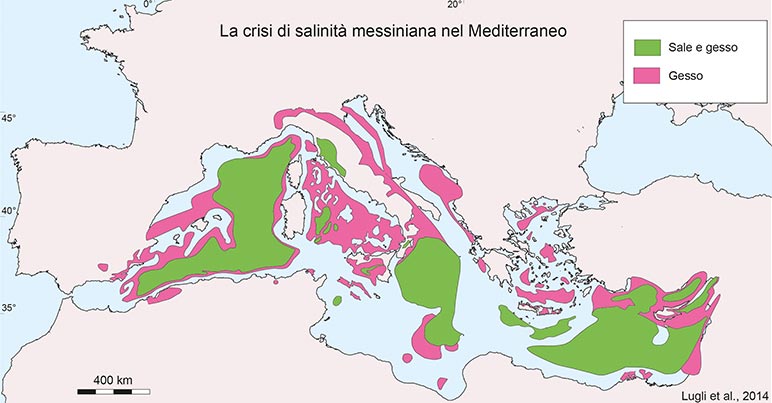
Chalk and salt deposits formed during the “salinity crisis”, nearly six million years ago.
During this geological phase, lasting approximately 630,000 years, sediment accumulated to form the Lower Chalks — typical of the Sant’Angelo Muxaro area — followed by salt deposits in the deeper zones and Upper Chalks along the margins.
The deposition of the 16 layers of Lower Chalks, reaching a significant thickness in some cases, was interspersed with thin layers of limestone.
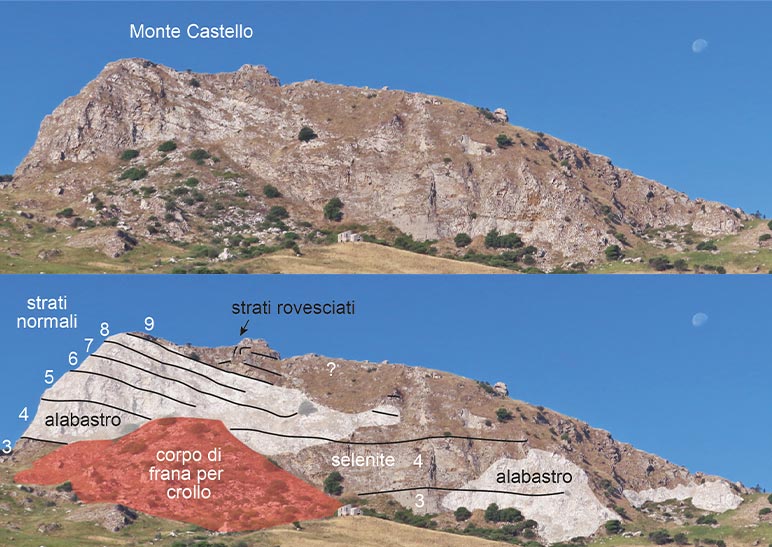
Geological diagram of the southern side of Monte Castello showing overlapping chalk banks.
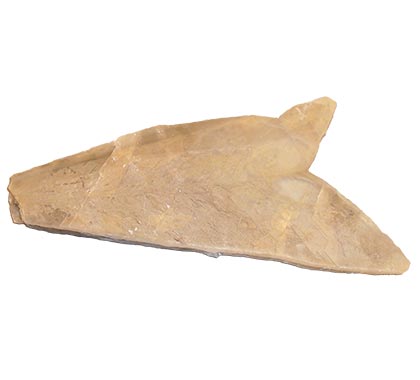
Gypsum crystals, known as selenites, are distinguished by their transparency and can reach considerable sizes.
Crystals